
FOR IMMEDIATE RELEASE
WITH PICTURE
MARCH 12, 2026
WHY GLOBAL COMPANIES ARE PARTNERING WITH MALAWI’S MINING SECTOR
By Frank Eagar
LILONGWE, MALAWI – Malawi is increasingly attracting attention from international industries looking for the reliable supply of critical minerals. One example is the Kasiya Rutile and Graphite Project, which has drawn interest from global mining companies, lenders and commodity traders.
While this growing international interest is positive for Malawi, it has also raised questions about how large capital intensive mining projects are developed and what partnerships such as offtake or marketing agreements actually mean.
Mining projects typically take more than a decade to move from mineral discovery to production. During that time, companies must complete detailed engineering studies, assess the environmental and social impacts over multiple seasons, obtain environmental approvals, secure financing and negotiate agreements with communities and governments.
One of these steps to achieve finance, is securing future buyers and develop markets for the products a mine will produce. These are known as offtake or marketing agreements.
Recently, the company developing the Kasiya project announced a non-binding memorandum of understanding with Mitsui & Co., a major Japanese trading and investment company, indicating its interest in purchasing up to 70,000 tonnes of rutile per year once the project begins production.
It is important to understand what such agreements mean.
An offtake agreement does not transfer ownership of Malawi’s minerals. The resources remain governed by Malawian law and can only be mined once all government approvals are granted.
The agreement with Mitsui is also non-binding, meaning it simply reflects an intention to work together and negotiate a future commercial agreement if the project proceeds successfully.
Such arrangements are common in the mining industry. Investors and lenders often require evidence that there will be reliable markets for a mine’s products before they commit the significant funding needed to build it.
The Kasiya project has also attracted other strategic partners, including Rio Tinto and the International Finance Corporation of the World Bank, which are involved in investment and environmental standards for the project.
For Malawi, these partnerships represent growing international confidence in the country’s mineral potential and its ability to participate in global supply chains for critical minerals.
The most important point is that these agreements are only one step in a long development process. Before mining begins, the project must still complete feasibility studies, environmental approvals and licensing processes required under Malawian law.
As Malawi’s mining sector continues to grow, understanding how these processes work will help ensure informed discussions about how the country can benefit from its natural resources.
-Ends-
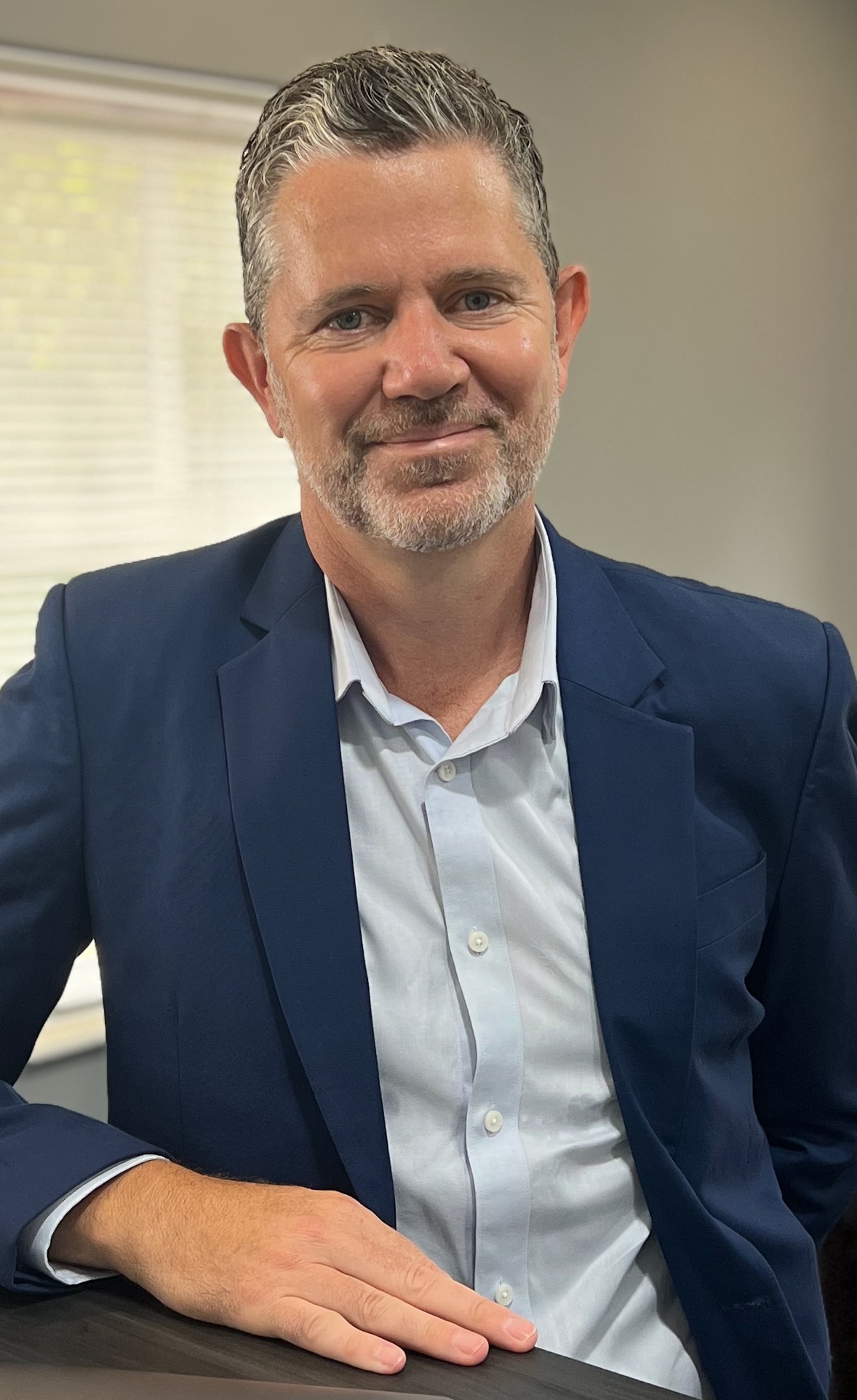
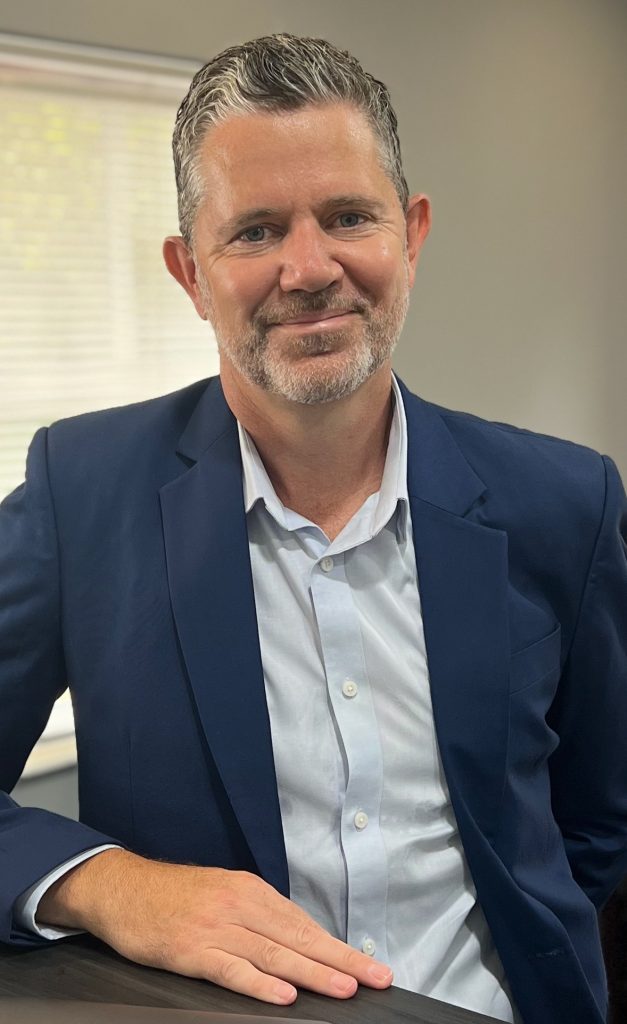
Frank Eagar is managing director and CEO of Sovereign Services Ltd
About Sovereign Services
Sovereign Services is the Malawi operation of Sovereign Metals Limited, which is focused on developing its Kasiya Rutile-Graphite Project in Malawi to become a leading global supplier to the titanium and graphite industries.
Kasiya is the world’s largest natural rutile deposit – the purest, highest-grade naturally occurring titanium feedstock – and the world’s second-largest flake graphite deposit – a battery mineral essential for the energy transition.
www.sovereignmetals.com.au
For media inquiries please contact:
Gillian Langmead at Langmead & Baker Ltd;
+260 979 060705;
info@langmead.com